

Reviews - Regional News | Connecting Wellington

Reviews

The North | Regional News

The North

(M)

132 minutes

(3 ½ out of 5)

Reviewed by: Isabella Smith

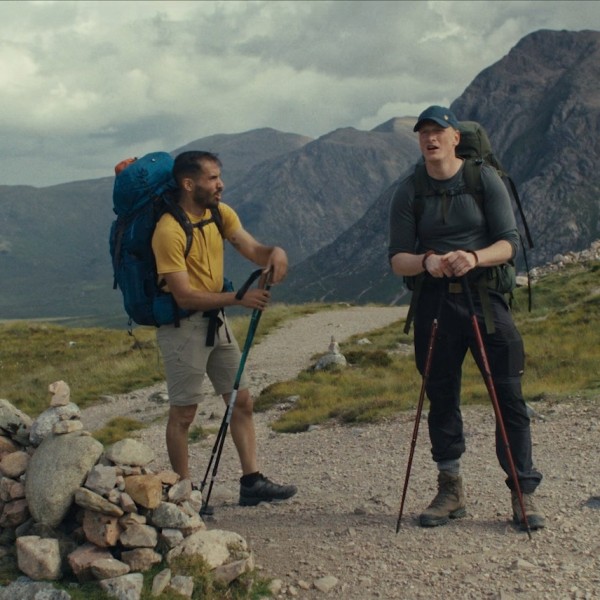
Those that have been hiking will be stunned to see the accuracy of their own experiences reflected in Bart Schrijver’s sophomore hiking film, The North. Those who haven’t may come away with a much more intimate understanding of why they should (or shouldn’t) put on a pack and experience all its joys and discomforts.

The movie captures perfectly the quiet of a summited hill and the way the sound of a rushing river suddenly disrupts that quiet, the blistered feet and wet boots, the mental and physical resilence required to set up and pack down a tent in the rain, eat dinner in a swarm of midgies, and listen to a creaking mattress as your partner twists and turns all night. 

The film follows Chris (Bart Harder) and Lluis (Carles Pulido) as they rekindle their friendship by traversing 600 kilometres of the Scottish Highlands, where they confront one another and ultimately, themselves.

From the interruptions of business calls, we know that Chris is a young professional with the rest of his life laid out for him: job, marriage, house, kids. His walking partner Lluis is the stereotypical loner artist – serious, distant, uncertain of his future – who seems to walk the entire length reluctantly.

While the sparse dialogue added emotional depth to the landscapes, it did the opposite in conveying the evolution of the two friends. For an entire month, they remained stiff and closed off from one another, and the endless walking didn’t seem to lubricate any confessions or confidences. When they both separately have their own road to Damascus moment of transformation standing alone on a desolate beach, one has to fill in the gaps to understand the emotional weight of their experience.

The lovely pacing of the film and raw depiction of hiking makes it a beautiful contemplation of the great outdoors. For me, the landscape is the hero of this film, which remains indifferent to the human dramas and inner turmoil of the two friends. Watching the wideframe shots of them trudging up a craggy, isolated slope while mist recedes and unfurls was pure visual poetry.

Triple Threat Comedy Night | Regional News

Triple Threat Comedy Night

Presented by: Mon Platon Productions

BATS Theatre, 28th Mar 2026

Reviewed by: Numi Stössner

Triple Threat Comedy Night is one of Wellington’s premier stand-up comedy shows, happening roughly once a month. In each show, three of Wellington’s best comedians are given 15 minutes to perform their sets and convince the crowd.

Taking place at the same time as Wellington’s CubaDupa, it is unsurprising to find that this particular show is sparsely attended. However, what could be a disadvantage for the performers and audience alike turns out to be anything but. Just in the spirit of the spontaneity of live comedy, the show is swiftly moved to the foyer of the theatre, a homey and welcoming space somewhat reminiscent of a living room. Instead of performing on stage with a microphone, the acts are now casually positioned among the couches and lounge chairs that house their viewers, a personal experience that is refreshingly new to me.

Comedian Austin Harrison is the host of this cosy and interactive evening, setting the vibe with his cheerful and engaging energy. The first act of the night is Sameena Zehra, who does her self-proclaimed scariness justice by sending one of the guests running. The next act is charismatic Lily Catastrophe, who addresses hilariously relatable topics such as whether your boyfriend would still love you if you were a worm. Closing the night is Keegan Thomas, who instantly makes me feel at ease with his natural way of engaging with the crowd and his casual and entertaining improv.

All in all, as stand-up comedy tends to be, there is a lot of ‘hit and miss’. However, all three comedians deliver their sets with charm and banter, making this intimate performance feel like having a laugh with good friends.

If you want to catch them in action, keep an eye out on Wellington’s comedy scene. Tonight’s lineup features well-known regulars, many of whom will also appear at the NZ International Comedy Festival. So, head along and see for yourself!

From the New World | Regional News

From the New World

Presented by: New Zealand Symphony Orchestra

Conducted by: Rodolfo Barráez

Michael Fowler Centre, 26th Mar 2026

Reviewed by: Ruth Corkill

This season-opening concert brings together a programme built around big musical gestures and well-loved favourites. It largely succeeds in its aim: to warm the audience, reintroduce familiar musical touchstones, and set the tone for what’s to come.

The evening opens with Eve de Castro‑Robinson’s Aurora, a brief but arresting work that lives up to its reputation for momentum and bite. There is something Bauhaus-like about its aesthetic: angular, electrified, and deliberately anarchic. It has the sensibility of a tūī, that highly skilled and eclectic songbird. Bursts of birdsong collide with metallic textures and sudden shifts of energy. It is instantly engaging, though its restless intensity proves to be a challenging lead-in to what follows.

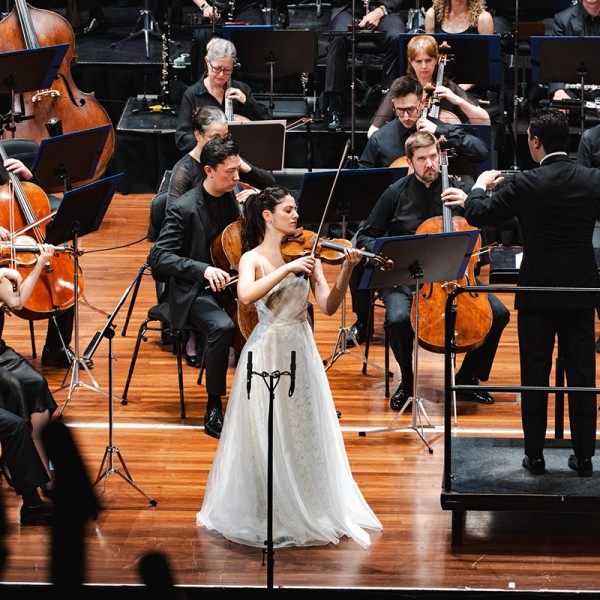
Beethoven’s Violin Concerto strains unmistakably towards Romantic expression, and its radical emotional expansiveness can feel slightly pedestrian when placed immediately after de Castro‑Robinson’s brash modernism. That said, soloist María Dueñas is more than equal to the task. Dueñas plays with astonishing technical control, but it is her phrasing that leaves the deepest impression. Long lines swell naturally, inner voices are drawn out with care. The result is a performance that reclaims the concerto’s lyric dignity, earning an audible upswelling of delighted appreciation from the audience at its close.

After the interval, Dvořák’s Symphony No. 9, From the New World reminds us why it remains so deeply loved. This is music that seems to enact its own curiosity, forever exploring and reinventing itself. You can feel in it the germ of countless cinematic and musical theatre traditions yet to come. Conducted with warmth and clarity by Rodolfo Barráez in his Aotearoa debut, the symphony unfolds generously, balancing nostalgia with forward momentum.

As the nights get longer, this NZSO season opener does exactly what it needs to do: rolling out fan favourites, showcasing brilliance, and inviting audiences back into the shared ritual of listening. It is a confident, generous start.

The Bride! | Regional News

The Bride!

(R16)

126 minutes

(3 out of 5)

Reviewed by: Isabella Smith

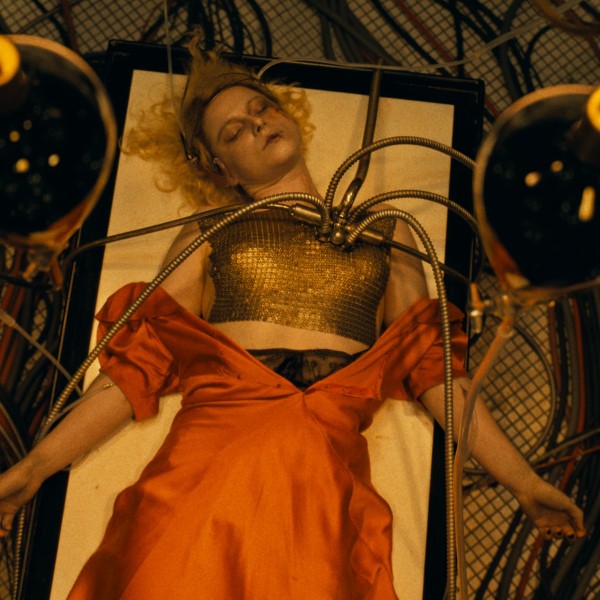
As of 2026, there are over 450 versions of Frankenstein’s monsters on screen – making it a brave thing to try do differently. Maggie Gyllenhaal’s The Bride! is a fierce, weird, and ambitious take that brings a different story to life (literally): that of the monster’s bride. Replete with a stellar cast, it makes for a glitzy, action-packed, at times almost pantomime, yet overall enjoyable watch.

Frankenstein’s monster (Christian Bale), back with his familiar stitched-up forehead and oversized suit, visits the mad scientist Dr Euphronius (Anette Bening) to seek a remedy to his eternal loneliness: a woman.

Enter the bride (Jessie Buckley). A rowdy gal reinvigorated from the dead, whose unshakable past enmeshed in the shady, criminal underworld of 1930’s Chicago follows her back into the land of the living. What unfolds is a Bonnie and Clyde type sprint as monster and bride outrun the Chicago police department (Peter Sarsgaard and Penélope Cruz).

A rage-filled feminist critique of violence against women with echoes of the #MeToo movement, the film is jam-packed with conspiracy and corruption, ensconced in the glitz and glamour of show biz, with a literary metanarrative reminiscent of Jekyll and Hyde to boot. Author Mary Shelley, infuriated by the patriarchy and desperate to see a female antihero disrupt the status quo, defies death to take possession of the bride, resulting in violent attacks on seedy men. Torrents of uncontrollable literary musings (to both amusing and annoying effect) spew from her ink-stained mouth.

If you haven’t already gathered, The Bride! is a hodgepodge assembly of plotlines. Violence against women, rage, loneliness, social upheaval, police corruption, possession, murder… it somehow also manages to ask (and not answer) Shakespeare’s question, ‘what is in a name?’

In the end, the inclusion of Mary Shelley in the film felt more like a director trying to justify her decision to make a spinoff, and the picking up and putting down of themes and ideas at times felt shallow (the thread of the monster overcoming loneliness and the brides lack of choice in being reinvigorated from the dead would’ve been enough to chew on).

Without Buckley’s incredible performance, I am not certain the film would hold. She is a rebellious and outrageous character with her frizzy white hair and jerky gait. While the plotlines are excessive, the movie moves quickly and the costumes are fabulous. Couple that with Bale’s humanity as Frankenstein’s monster and Buckley’s impressive physical performance and you have excellent cinema that is well worth the watch.

Gasping | Regional News

Gasping

Written by: Ben Elton

Directed by: Oliver Mander

Reviewed by: Zac Fitzgibbon

Gasping is set in the corporate world we all know and despise, where Lockheart Holdings is devising yet another scheme to make ordinary citizens pay for something they shouldn’t have to: air. Of course, by privatising this necessity of life, some serious problems will arise that one might need to take a breather to solve.

You’ll be gasping with laughter, yet it has to be said that many of the jokes in this Ben Elton play, which first opened in 1990, have not aged well and read as misogynistic, homophobic, and racist. Some of these jokes do make me feel slightly uncomfortable. Despite some of the script’s problematic undertones, the actors perform Gasping with the kind of vigour you can only get from a full tank of oxygen.

Mike McJorrow is a master of physical comedy and likewise provides great emotional intensity in the role of Philip. Playing Sandy, a junior at Lockheart Holdings, Joseph Corbett provides many of the show's gags. Lydia Verschaffelt makes many of us laugh as the strong-willed and flirtatious Kirsten. Of course, these subordinates must have a superior to adhere to: Sir Chiffley Lockheart. Tony Burton plays the character as uptight as any person I know that works in such an industry. Another highlight is Billie Cleeve, who provides great bursts of humour dispersed by the lungful as Miss Hodges and others. Each of her characters is compelling in their own right.

I am mesmerised by Tanya Piejus’ set design. With moving pieces and a colour palette reflecting the 1990s, this set will make you want more. The lighting design (Jamie Byas) is dynamic and engaging, while the sound design (Brian Byas) responds well to each setting, especially during the squash scene, convincingly choreographed by Matilda Reeves.

Whilst the show is a comedy, it does provide thought-provoking commentary on the way that corporations conduct themselves and the damage that they cause, giving us a stern warning about what the world could look like if we continue to invest in their schemes. There is a strong market for this show, and I would recommend heading to Wellington Repertory Theatre’s production of Gasping before the world is completely bankrupt of breathable air.

Ten Thousand Hours | Regional News

Ten Thousand Hours

Presented by: Gravity & Other Myths

Directed by: Lachlan Binns

The Opera House, 13th Mar 2026

Reviewed by: Tanya Piejus

Malcolm Gladwell famously wrote: “It takes ten thousand hours to truly master anything.” Australian circus troupe Gravity & Other Myths have clearly taken these words to heart as their pinpoint acrobatics, tumbling, and balancing acts need to be seen to be believed this Aotearoa New Zealand Festival of the Arts.

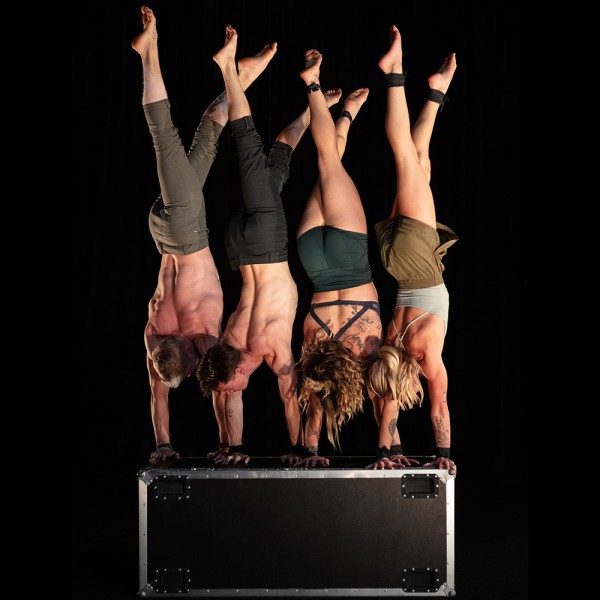
What starts out looking like a casual rehearsal session with nine athletic people in black and grey gym gear stretching and swigging from their drink bottles soon turns into an expertly choreographed and mind-blowing exhibition of human capability. With a giant LED display providing visual accompaniment and a musician adding drums, synthesised beats, and occasional commentary, the crew performs a set of individual, small-group, and whole-team routines that take modern circus to a whole new place.

The audience gets in on the act too, with invitations to give one tumbler ‘in the style of’ suggestions for how to perform her routine – a chicken and a skydiver – which she incorporates with humour and aplomb. Another audience member is taken on stage and asked to draw in stick figures the shapes some of the crew make, then her drawings are hilariously recreated by the other crew members who have had their backs turned to the original. Later, one acrobat tries to balance on another’s shoulders and turn 360 degrees without either using their hands. They have 10 (unsuccessful) goes at it and a wonderful organic moment occurs partway through when a young voice shouts, “Nice try!” from somewhere in the stalls.

There’s more humour here besides. A routine in which the performers become grumpy cats and balance on each other on all fours becomes an audience favourite and reminds me of a puzzle I have called Cat Stax.

Balancing three-high, throwing each other blithely around like ragdolls, and doing things that no human body can do without at least Ten Thousand Hours of practice, Gravity & Other Myths make the implausible look like a walk in the park.

Gloria – A Triple Bill | Regional News

Gloria – A Triple Bill

Presented by: The New Zealand Dance Company and Co3 Contemporary Dance Australia

St James Theatre, 12th Mar 2026

Reviewed by: Tanya Piejus

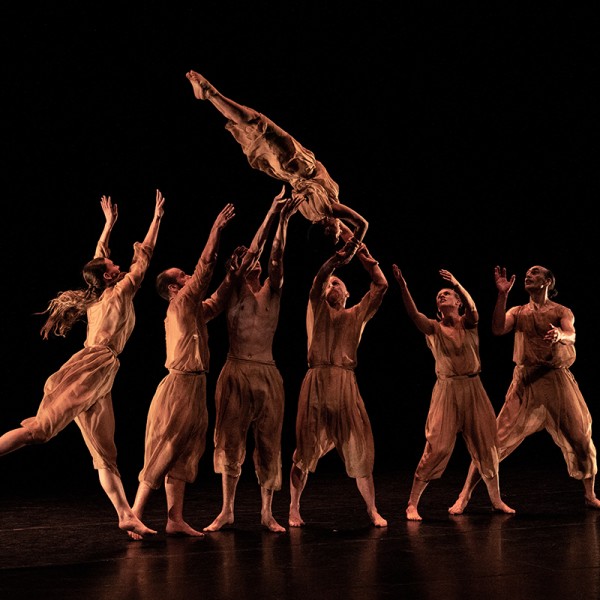
Gloria – A Triple Bill brings together six dancers each from New Zealand and Australia in a triptych of contemporary dance works for the Aotearoa New Zealand Festival of the Arts.

The first work, Lament, is a world premiere choreographed by The New Zealand Dance Company artistic director Moss Te Ururangi Patterson with a startling original musical score by Shayne P Carter. It reflects on memory, resilience, resistance, and the enduring spirit of Aotearoa through the performers from The New Zealand Dance Company. In loose, comfortable-looking outfits (Chantelle Gerard) and with fluid and dynamic choreography, they are mesmerising to watch as they bring whakapapa into visceral being under elegant golden light (Mark Haslam).

Part two, A Moving Portrait, is an equally engrossing meditation on aging and vulnerability choreographed by Co3 Contemporary Dance Australia founding artistic director Raewyn Hill. Moving to the haunting beauty of Arvo Pärt’s Tabula Rasa Ludus II. Silentium, the Co3 dancers are deliberate, slow, and intimate in their gestures and interactions, flowing over and around one another in diaphanous white costumes (Akira Isogawa) that emphasise the collective nature of the piece. With moments of tenderness and grace, then gentle resistance and even violence, it’s another visually absorbing piece. Haslam again provides beautiful illumination, with the whole work being performed in the confined space of the soft light from an elongated doorway.

The final piece, GLORIA by renowned New Zealand choreographer Douglas Wright, is a joint performance by both companies. It’s accompanied by a contingent from the New Zealand Symphony Orchestra conducted by Dr Joseph Nolan, and a 16-strong Voices New Zealand choir led by chorusmaster Michael Stewart, who masterfully perform Antonio Vivaldi’s Gloria in D Major RV 589. This dance work speaks to the stages of life through a series of short pieces featuring recognisable moments from playful childhood with a human skipping rope, to two young men locked in a wrestling match, sensual procreation, and more until, finally, death. More expansive than the two previous works and with a looser synergy between classical music and modern choreography, this work was less intensely engaging than the first two, but no less successful as a glorious example of contemporary dance.

Music Portrait of a Humble Disabled Samoan | Regional News

Music Portrait of a Humble Disabled Samoan

Written by: Oscar Kightley

Directed by: Maiava Nathaniel Lees

Tāwhiri Warehouse, 12th Mar 2026

Reviewed by: Madelaine Empson

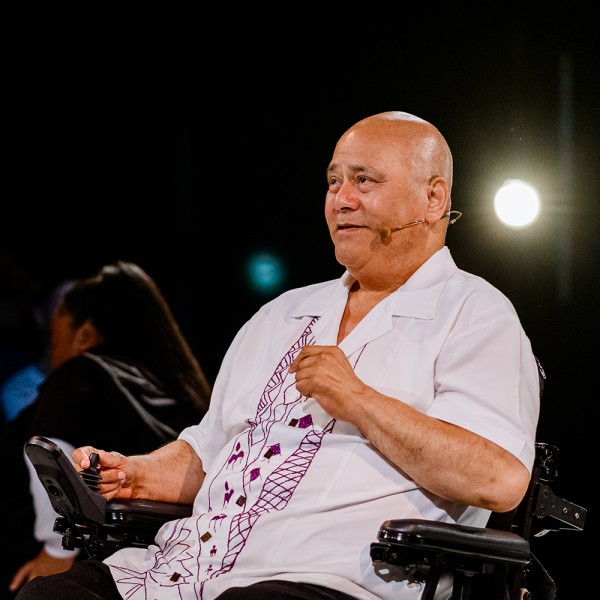
Music Portrait of a Humble Disabled Samoan paints a vivid picture of its lead creative and performer Fonotī Pati Umaga. Bold and brilliant brushstrokes layer live music, storytelling, dance, and visual design upon the blank canvas of Tāwhiri Warehouse, set up as a theatre-in-the-round with Umaga at its heart. Around him, five performers (Mere Boynton, Paris Tuimaseve-Fox, Lavinia Lovo, Albert Latailakepa, Faithleen Tou) and four musicians (Meka Nehemia, Hayden Nickel, Andy Mauafua, Isitolo Alesana) circle, each dedicated to helping him share his story. Above him hangs a large screen, a white drum lampshade across which celestial lights dance (Jane Hakaraia) and projections play (AV content by Delainy Jamahl, Ella Dove, Josiah Wood). The faces of the people who have shaped his life swim overhead like stars in the sky.

The story starts in the 70s, spiralling galactically through Umaga’s adolescence to the fall that left him tetraplegic at 46 and the battle with depression and addiction that followed. Through music, faith, and force of will, Umaga emerged victorious. Today, he is a respected leader and advocate for the Pacific and disability communities.

Under the direction of Maiava Nathaniel Lees, Music Portrait of a Humble Disabled Samoan is a masterclass in balance. Achingly painful moments – such as the cast’s seated, writhing dance (choreographer Neil Ieremia) to drum and bass music – cause sharp inhalations across the audience. A collective breath is held. Then, perfectly timed humour is injected into the dialogue (Oscar Kightley). Umaga laughs – tender, gentle, such strength in his vulnerability. We release, soften. In these instants of ease, our lungs deflate. They are buoyed once more by uplifting, stunning harmonies (musical director Matuaitoga Posenai Mavaega) or the joyous interaction of instruments as we watch Umaga rediscover bass – a scene that will stick with me forever and that I did not want to end.

As we experience the highs and lows of Umaga’s journey, it feels as if we, too, are cared for by everyone onstage and behind it. Music Portrait Collective (creative producer Sasha Gibb) possesses a meteoric passion for Umaga and his story. It beams through in every second of this production, as bright as the star map that lights his way.

Close Harmony | Regional News

Close Harmony

Presented by: The King’s Singers

Wellington Cathedral of St Paul, 10th Mar 2026

Reviewed by: Tanya Piejus

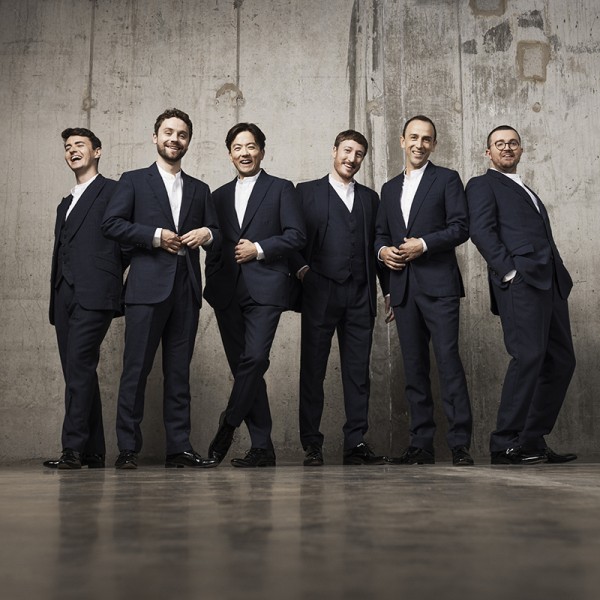
Two-time GRAMMY® Award-winning male vocal ensemble The King’s Singers have been wowing audiences around the world since 1968. They return to the Aotearoa New Zealand Festival of the Arts after knockout performances in 2014 and 2018. The gold standard in a cappella singing, they have a back catalogue – as we learn during the performance – of 2776 songs ranging from medieval madrigals to modern masters of jazz, pop, and more. In this performance, one of the last for Christchurch-born baritone Chris Bruerton, we’re treated to the full breadth of their capabilities in a programme of two distinct halves.

Appropriately for the cathedral setting, the first half was entitled Angels and Demons and centred on these popular figures of Christian iconography, alongside the Virgin Mary and Christ. Using these four symbols plus Geoffrey Poole’s dramatic Wymondham Chants written in the 1970s for inspiration, this section collected together choral music from over 500 years to explore the light and darkness of the human experience.

The King’s Singers’ exceptional timing and purity and balance of tone shone through in all the diverse pieces, especially so in the third part of the Demons section, William Byrd’s Miserere mei Deus. Here, each voice perfectly delivered the complex and elegant six-part harmony into a sublime whole. Geoffrey Poole’s epilogue Blessed Jesu was performed partly in the cathedral’s ambulatory, giving it a stunningly ethereal quality.

Following a fun reworking of the overture to The Barber of Seville, the second half was devoted to the group’s favourite arrangements of gospel, jazz, and pop songs, including the most requested in their library, Billy Joel’s And So It Goes. They chose two songs particularly for Wellington. The first, called Whina Said, was composed by Robert Wiremu for the group and beautifully reimagined speeches by Dame Whina Cooper. After a long and hugely deserved standing ovation, they finished with a delectably arranged encore of Pōkarekare Ana.

Fully living up to their reputation for unrivalled technique, musicianship, and versatility, The King’s Singers delighted and excelled yet again.